Ghassoul clay — also written as Rhassoul clay or Ghassoul — is one of the rarest and most effective natural beauty clays in the world. Mined exclusively from the Atlas Mountains of Morocco, it has been used in Moroccan hammam rituals for over 1,400 years as a deep cleanser, conditioner, and detoxifier for both skin and hair. In Pakistan, it is still largely unknown — which means those who discover it early get a significant advantage in their skincare results.
What is Ghassoul Clay?
Ghassoul clay is a natural mineral clay formed from volcanic activity in the Atlas Mountains of Morocco. Its name comes from the Arabic root ghassala — meaning "to wash" — which describes its primary use perfectly. Unlike kaolin or bentonite clay, which are found worldwide, authentic Ghassoul clay comes only from one region of Morocco, making it genuinely rare.
What makes Ghassoul unique is its exceptionally high mineral content — particularly silica, magnesium, iron, calcium, and potassium. These minerals give it superior absorption capacity compared to most other clays, allowing it to draw out impurities and excess oil from deep within pores while simultaneously conditioning the skin.
Ghassoul Clay Benefits for Skin
-
Deep pore cleansing — absorbs excess sebum, pollution, and impurities from deep within pores without stripping the skin's natural oil barrier
-
Natural detox — draws out toxins and heavy metals from the skin surface through its high negative ionic charge
-
Reduces blackheads — regular use visibly reduces blackhead density on nose, chin, and forehead
-
Improves skin texture — the fine mineral particles provide gentle physical exfoliation, leaving skin smoother after each use
-
Balances oily skin — regulates sebum production without over-drying, making it ideal for Pakistan's humid summers
-
Reduces redness — the silica and magnesium content calms inflammation and soothes reactive skin
-
Non-stripping — unlike harsh clay masks, Ghassoul conditions as it cleanses, so skin never feels tight or dry after use
Ghassoul Clay Benefits for Hair
Moroccan women have used Ghassoul clay as a natural shampoo for centuries — and modern hair science explains why it works so well:
- Removes product build-up, excess oil, and scalp residue without sulphates
- Conditions hair and adds softness — unlike regular shampoo that strips natural oils
- Reduces scalp flakiness and dandruff through its mineral content
- Strengthens hair from the root by delivering magnesium and silica to the scalp
- Leaves hair with natural shine and body without synthetic additives
How to Use Ghassoul Clay as a Face Mask
- Take 1–2 tablespoons of Ghassoul Clay Powder in a non-metal bowl
- Add enough warm water or rose water to form a smooth paste — mix with a wooden or plastic spoon, not metal
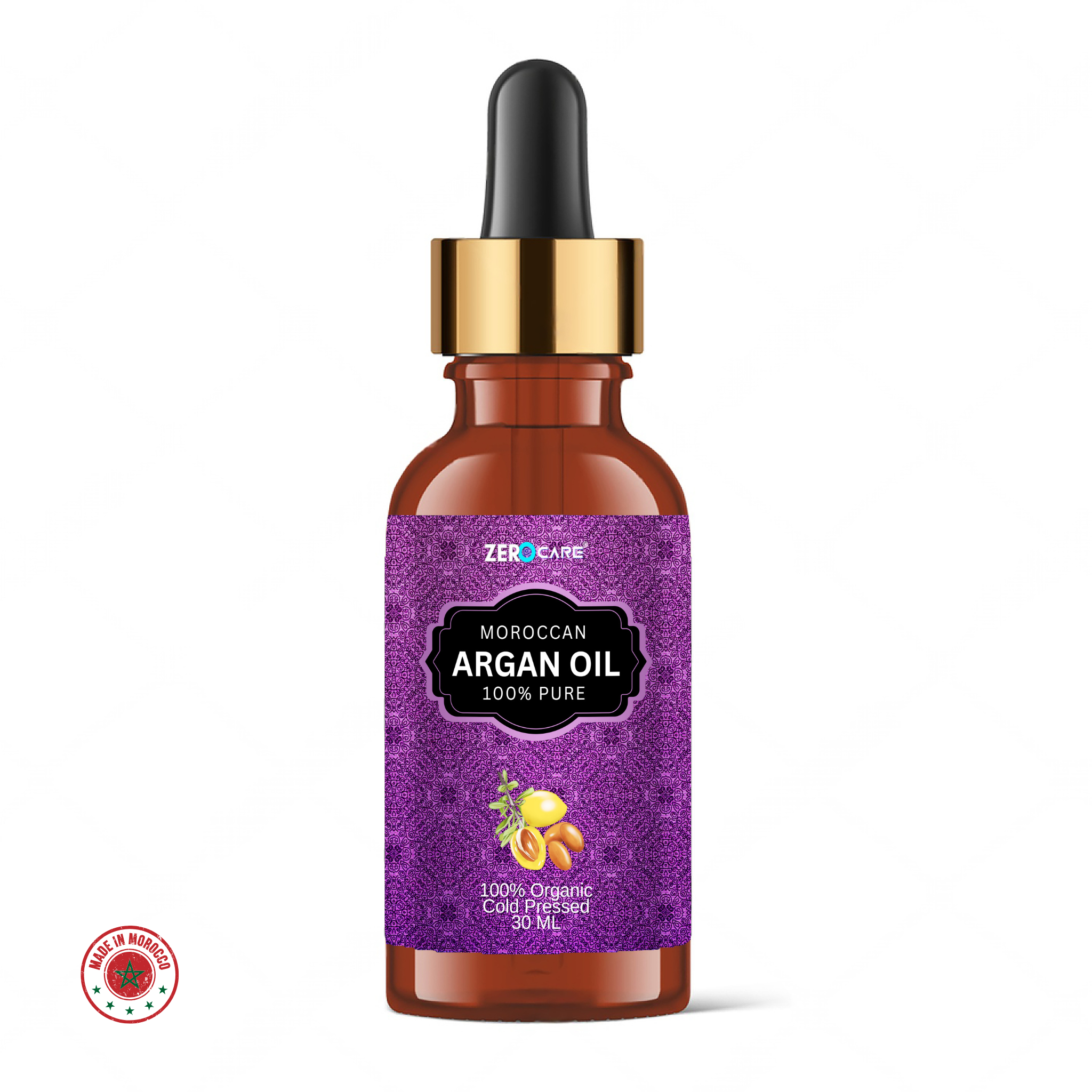
- Add a few drops of Argan Oil for extra nourishment if you have dry skin
- Apply an even layer to cleansed face and neck, avoiding the eye area
- Leave on for 10–15 minutes — the mask will dry slightly and tighten
- Rinse off completely with warm water using gentle circular motions
- Follow with your moisturiser or a few drops of Moroccan Argan Oil
- Use once or twice a week
How to Use Ghassoul Clay as a Hair Mask
- Mix 3–4 tablespoons of Ghassoul Clay Powder with warm water until you have a smooth, yoghurt-like paste
- Apply to damp hair from root to tip, massaging into the scalp
- Leave for 15–20 minutes
- Rinse thoroughly with warm water — it rinses clean with no residue
- No shampoo needed after a Ghassoul wash — the clay cleanses completely on its own
- Follow with Argan Oil on the ends if desired
- Use once a week as a co-wash or as a clarifying treatment once a month
Ghassoul Clay vs Other Clay Masks Available in Pakistan
| Clay type |
Source |
Best for |
Conditioning? |
| Ghassoul (Rhassoul) |
Atlas Mountains, Morocco |
All skin types, hair |
Yes — conditions as it cleanses |
| Bentonite |
USA / worldwide |
Very oily, acne-prone skin |
No — can be over-drying |
| Kaolin |
Worldwide |
Sensitive, dry skin |
Mild |
| Fuller's earth (Multani Mitti) |
South Asia |
Oily skin, tan removal |
No |
Ghassoul clay sits uniquely between a deep-cleansing clay and a conditioning treatment — it does both simultaneously, which is why Moroccan women use it on both skin and hair.
Frequently Asked Questions
What is the difference between Ghassoul clay and Multani Mitti?
Both are natural clays that absorb oil, but they are quite different. Multani Mitti (Fuller's Earth) is highly absorbent and can be drying — best for very oily skin. Ghassoul clay is gentler, richer in conditioning minerals, and suitable for all skin types including dry and sensitive. Ghassoul also works excellently as a hair cleanser, which Multani Mitti does not.
Can I use Ghassoul clay every day?
As a face mask, once or twice a week is ideal. Daily use is not recommended as it would over-cleanse. For hair, once a week as a co-wash or once a month as a clarifying treatment.
Does Ghassoul clay help with acne?
Yes — its deep pore cleansing and sebum-absorbing properties help reduce blackheads, whiteheads, and congested pores that contribute to acne. It is gentler than bentonite for acne-prone skin that is also sensitive.
Where can I buy authentic Ghassoul clay in Pakistan?
Zero Care stocks 100% authentic Moroccan Ghassoul Clay Powder (150g) in Pakistan with Cash on Delivery available across all cities.
Buy Ghassoul Clay in Pakistan