The Moroccan hammam ritual is one of the oldest and most effective skincare routines in the world. Practised in the ancient bathhouses of Marrakech and Fez for over 500 years, it delivers a level of deep cleansing, exfoliation, and skin renewal that no modern skincare product can fully replicate on its own. The good news: you don't need a spa. You can do the full authentic hammam ritual at home in Pakistan with just three products.
What is the Moroccan Hammam Ritual?
A hammam (حمام) is a traditional Moroccan steam bath. The ritual is a multi-step process of steaming, deep cleansing with Black Beldi Soap, and exfoliating with a Kessa glove to remove dead skin. It is followed by nourishing the freshly cleansed skin with Moroccan Argan Oil. The result is skin that feels completely reborn — smooth, soft, deeply hydrated, and visibly brighter.
Moroccan women have performed this ritual weekly for centuries. It is the foundation of their famously radiant, smooth skin — not expensive serums or chemical treatments.
What You Need for the Hammam Ritual at Home
-
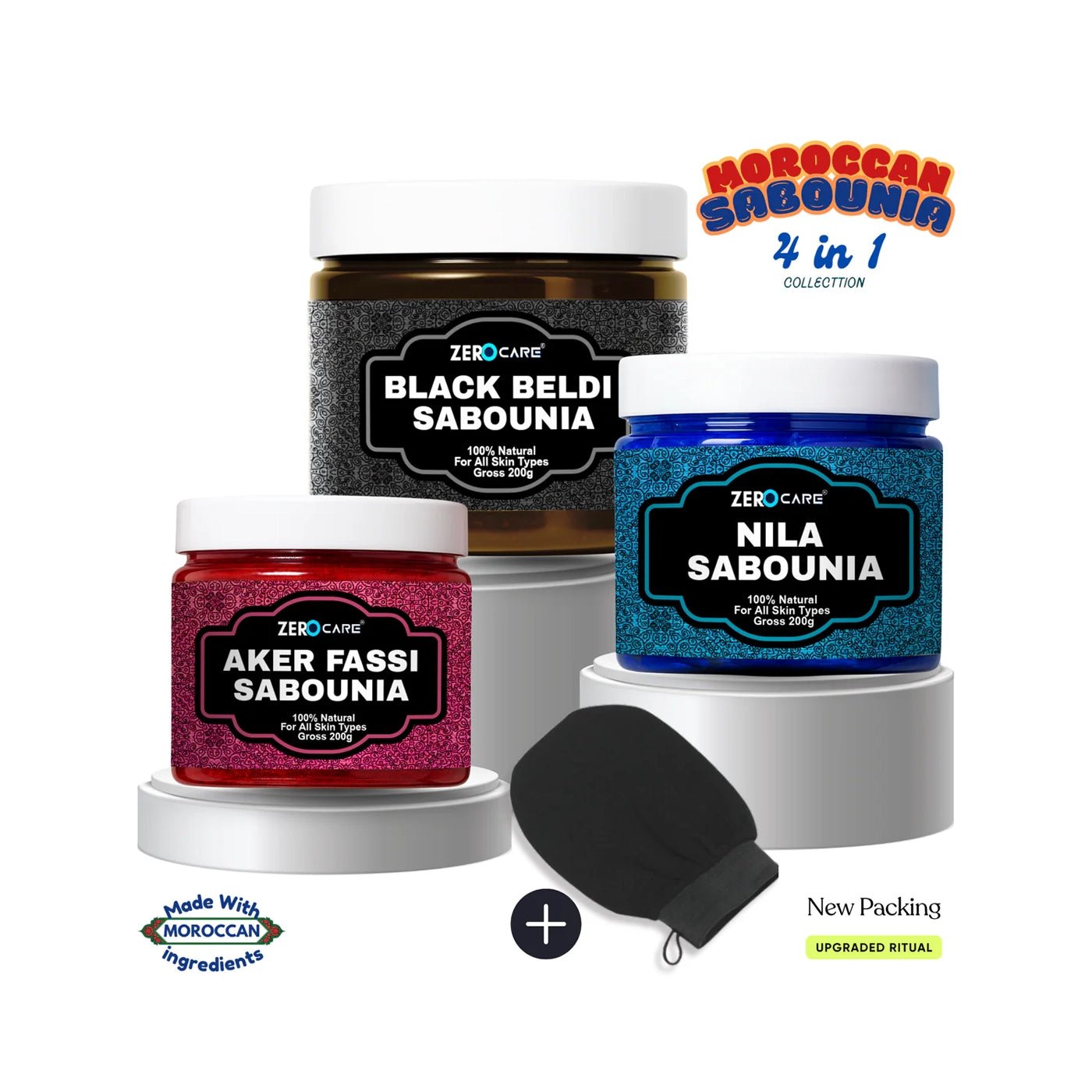
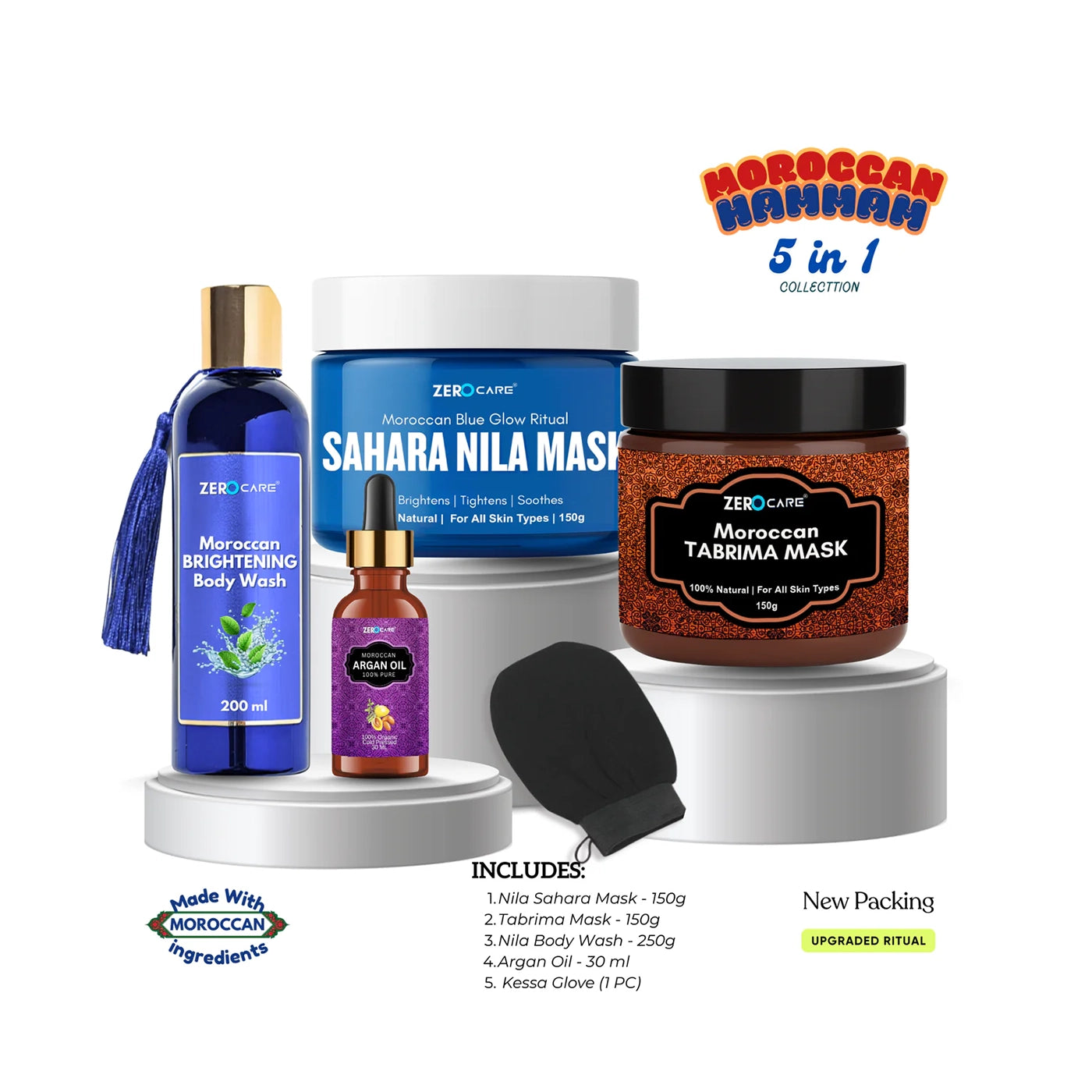
Moroccan Black Beldi Soap (Sabounia Beldi) — the deep-cleansing olive oil paste that softens skin and loosens dead cells
-
Kessa Exfoliating Glove — the traditional Moroccan mitt that physically removes dead skin
-
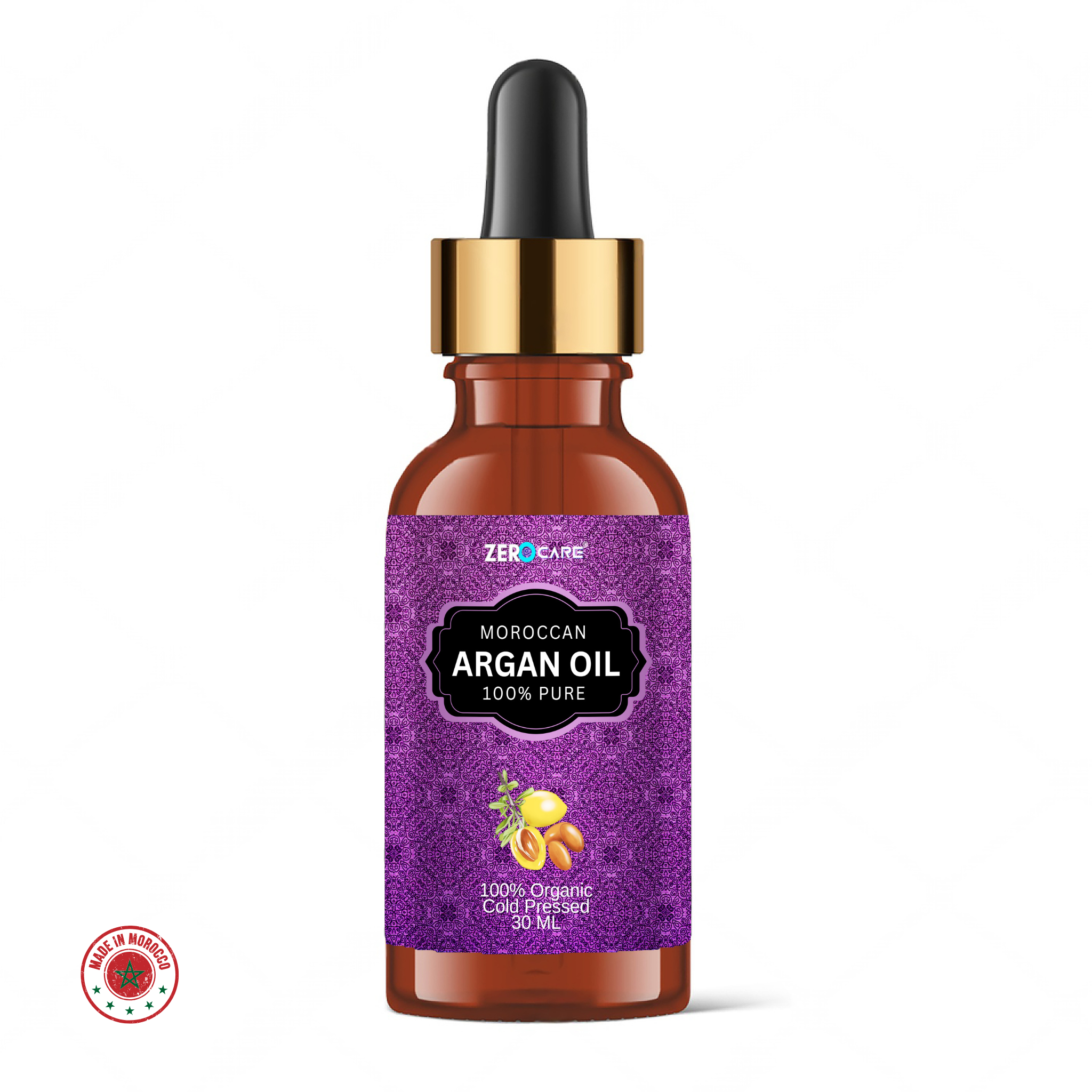
Moroccan Argan Oil — applied after exfoliation to seal in moisture and complete the glow
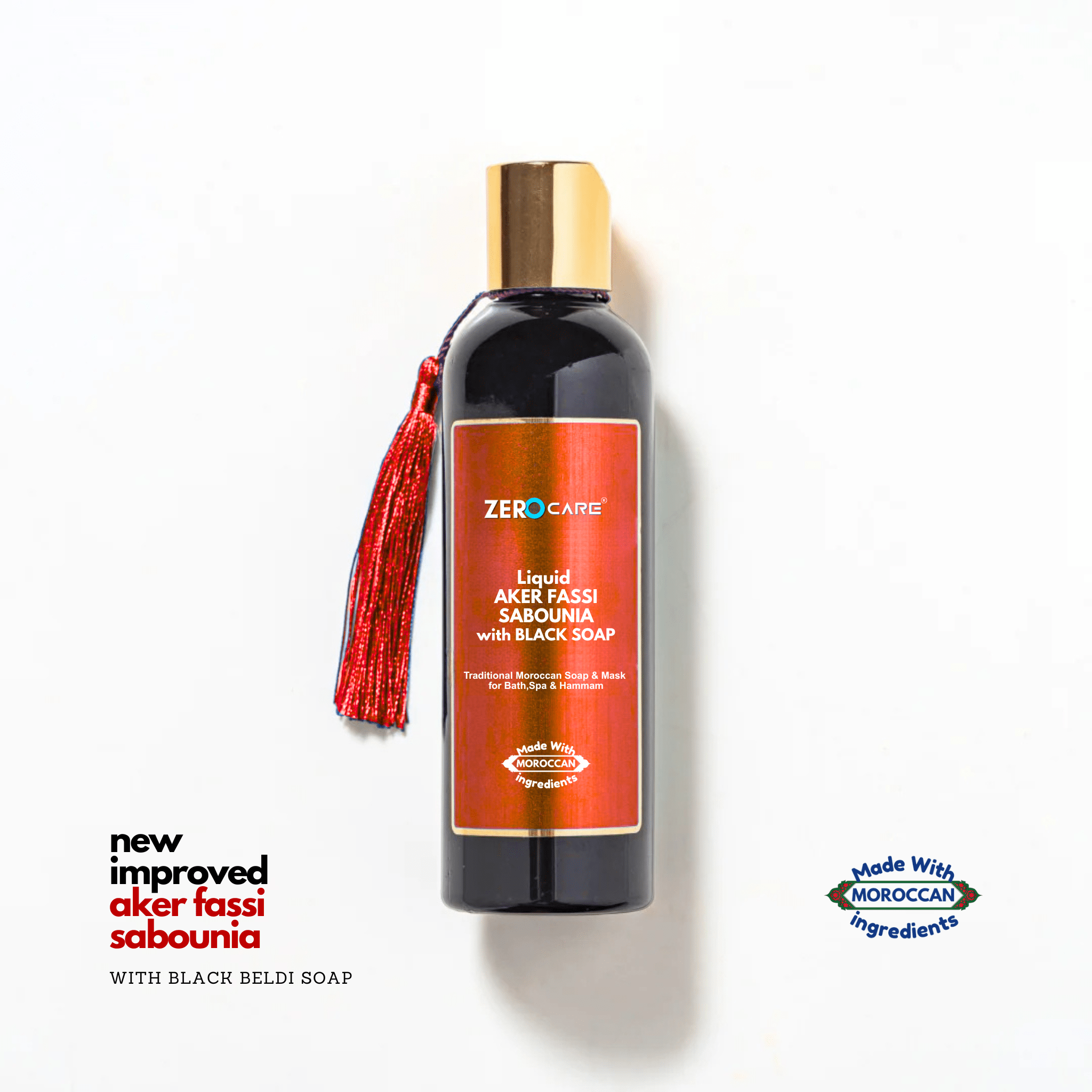
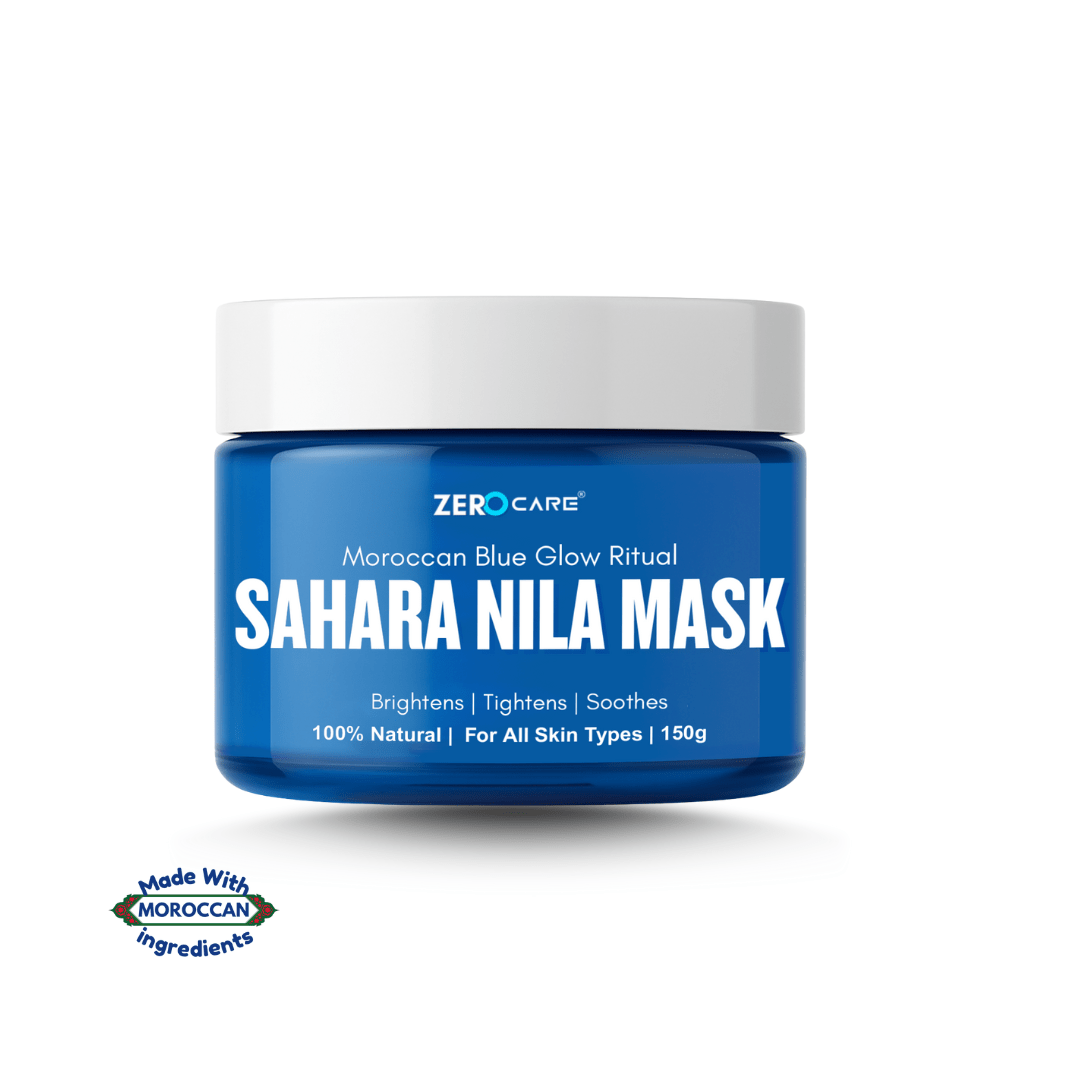
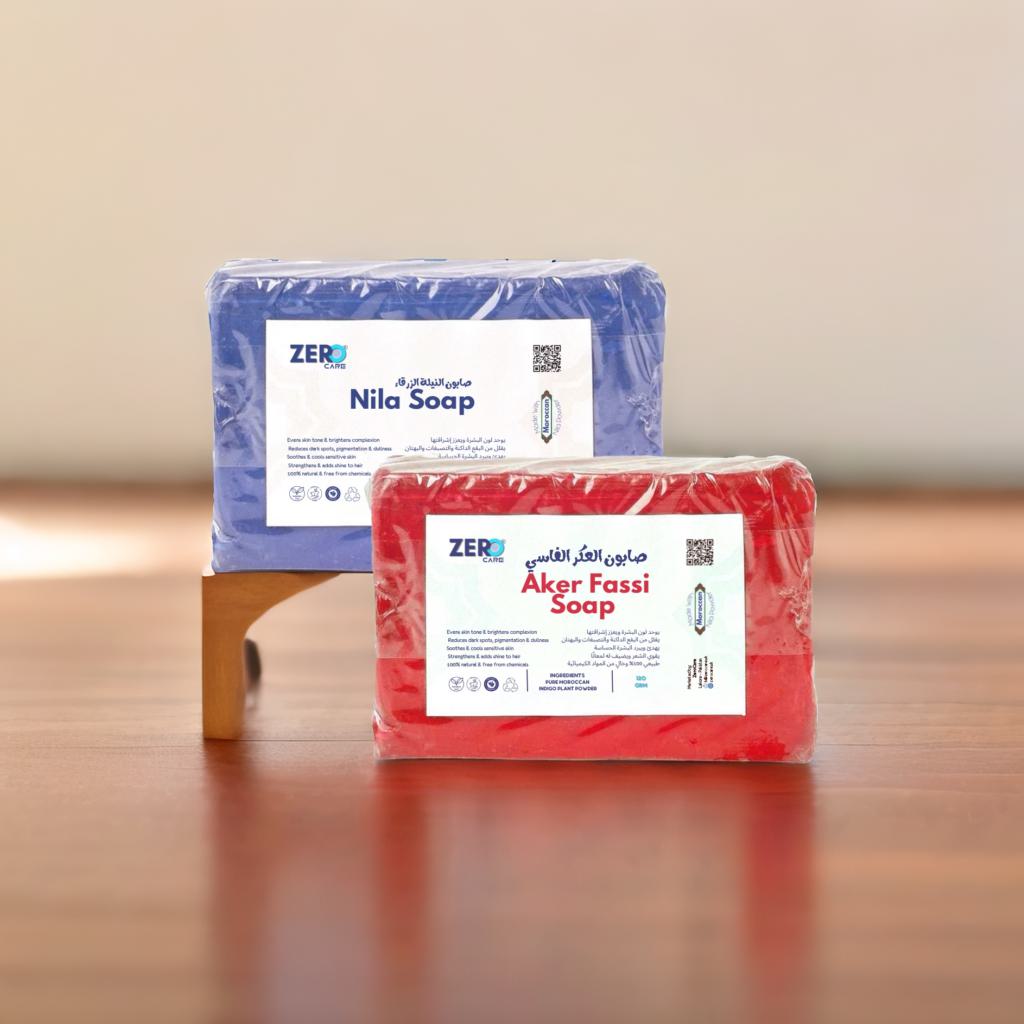
- Optional: Aker Fassi Sabounia or Nila Brightening Sabounia for a second cleanse with brightening benefits
Step-by-Step: The Moroccan Hammam Ritual at Home
Step 1 — Steam your skin (5–10 minutes)
The hammam ritual begins with heat. In a traditional hammam, you sit in a steam room. At home, a warm shower works perfectly. Stand under warm water for 5–10 minutes, or fill your bathroom with steam by running the shower on hot with the door closed. This opens your pores, softens the skin, and prepares it for deep cleansing.
Why this matters: Open pores allow the Black Beldi Soap to penetrate deeply. Skipping this step significantly reduces results.
Step 2 — Apply Black Beldi Soap (leave on 5–10 minutes)
Take a generous amount of Black Beldi Sabounia and apply it all over your body — neck to feet. The soap is a dark olive paste, not a lather. Spread it evenly over damp skin, covering every area including the back, elbows, and knees.
Leave it on for 5–10 minutes. During this time, the olive oil, eucalyptus, and vitamin E in the soap are penetrating the skin, softening the dead cell layer, and drawing out impurities from deep within pores.
Tip: For the face, use a smaller amount and leave for only 2–3 minutes. Do not use the Kessa glove on the face.
Step 3 — Exfoliate with the Kessa Glove (the magic step)
This is the step that makes the Moroccan hammam ritual unlike anything else. Put on your Kessa exfoliating glove and begin scrubbing your skin in firm, long strokes — always toward the heart. Use medium pressure.
Within seconds, you will see grey-brown rolls of dead skin lifting off. This is completely normal — it is the dead cell layer that was sitting on your skin, blocking moisture absorption, dulling your complexion, and clogging pores. Keep scrubbing until no more dead skin rolls off, typically 5–10 minutes per body area.
Tip: Focus extra time on rough areas — elbows, knees, heels, and the back. These accumulate the most dead skin.
Step 4 — Rinse thoroughly
Rinse off completely with warm water. Your skin will already feel remarkably different — smooth, soft, and clean in a way that regular bathing never achieves. Pat dry gently with a clean towel. Do not rub.
Step 5 (Optional) — Second cleanse with Aker Fassi or Nila Sabounia
For extra brightening, apply Aker Fassi Sabounia (for a pink glow) or Nila Brightening Sabounia (for deep brightening) as a second cleanse. Lather, leave for 2–3 minutes, and rinse. This step is popular in bridal prep routines for the added radiance it provides.
Step 6 — Seal with Moroccan Argan Oil
While your skin is still slightly damp, apply a few drops of Moroccan Argan Oil and massage it in gently. After exfoliation, your pores are open and your skin absorbs the Argan Oil at a depth that is simply not possible on un-exfoliated skin. This is where the famous Moroccan glow comes from.
The Argan Oil locks in moisture, delivers Vitamin E and essential fatty acids to freshly exposed skin cells, and leaves skin with a soft, lit-from-within radiance.
How Often Should You Do the Hammam Ritual?
Once a week is the traditional frequency — and the most effective. Your skin regenerates on a weekly cycle, so weekly exfoliation removes exactly what has accumulated since the last session. Some people do it every 5 days; doing it more than twice a week is not recommended as it can over-sensitise skin.
Hammam Ritual Results — What to Expect
-
After first session: Instantly smoother, softer skin. Visible brightness improvement. Dead skin removed that regular bathing never touches.
-
After 2–3 weeks: Noticeably more even skin tone. Reduction in body tan and pigmentation. Improved texture in rough areas.
-
After 4–6 weeks: Long-term transformation — the kind of smooth, glowing skin Moroccan women are known for. Regular hammam users often find they need far fewer body moisturisers because their skin retains hydration so much better.
Common Hammam Ritual Mistakes to Avoid
-
Skipping the steam step — dry skin exfoliation with a Kessa glove is harsh and less effective. Always steam first.
-
Not leaving the Beldi Soap on long enough — 2 minutes is not enough. Give it a full 5–10 minutes to work.
-
Scrubbing too hard — firm pressure works. Aggressive scrubbing can cause redness. Let the glove do the work.
-
Using a regular loofah instead of a Kessa glove — a loofah cleanses the surface. A Kessa glove physically lifts and removes dead skin. They are not the same thing.
-
Skipping the Argan Oil step — post-exfoliation skin is at its most receptive. This is the best time to nourish it.
Frequently Asked Questions
Can I do the hammam ritual in a regular shower?
Yes, absolutely. A warm shower works perfectly. Run it on hot for a few minutes to build up steam before you begin.
Is the hammam ritual safe for sensitive skin?
Yes, with modifications. Use lighter pressure on the Kessa glove, leave the Beldi Soap on for only 3–5 minutes, and follow with Argan Oil immediately after rinsing. Avoid the optional second cleanse step until your skin is accustomed to exfoliation.
Can men do the Moroccan hammam ritual?
Yes — the hammam ritual is equally effective for men. It is particularly beneficial for rough skin on the back, shoulders, and feet.
How long does one jar of Black Beldi Soap last?
A 200ml jar of Black Beldi Sabounia lasts approximately 8–12 weekly sessions when used on the full body, making it exceptionally good value.
Where can I buy authentic hammam ritual products in Pakistan?
Zero Care is Pakistan's first authentic Moroccan hammam skincare brand. All products are available at zerocare.uk with Cash on Delivery (COD) across all cities in Pakistan — Lahore, Karachi, Islamabad, Rawalpindi, Faisalabad, and beyond.
Shop the Complete Hammam Ritual